
Eco-Friendly Dyeing Techniques: Reducing Water and Chemical Waste in Textiles
Discover eco-friendly dyeing techniques that minimize water usage and chemical was
3/30/20261 min read
Eco-Friendly Dyeing Techniques: Reducing Water and Chemical Waste in Textiles
The textile industry is one of the largest consumers of water and chemicals worldwide. As sustainability becomes a priority, eco-friendly dyeing techniques are transforming how fabrics are colored, offering environmentally responsible solutions without sacrificing aesthetics or performance.
Low-Impact and Water-Saving Dyeing
Techniques such as cold pad batch dyeing, air-dye technology, and digital printing drastically reduce water and energy usage. These processes require fewer chemicals, prevent pollution, and minimize fabric damage, ensuring that sustainable textiles retain their quality and vibrancy.
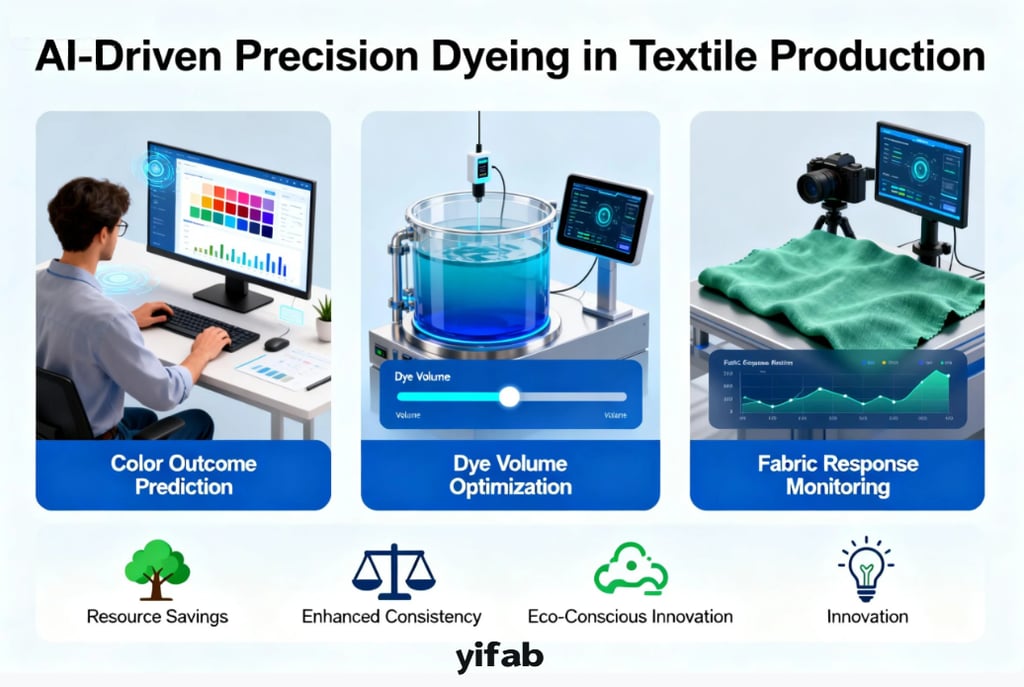
AI and Precision Dyeing
AI integration allows designers and manufacturers to predict color outcomes, optimize dye volumes, and monitor fabric responses, reducing trial-and-error production. This approach saves resources, enhances consistency, and accelerates innovation in eco-conscious textile production.
Applications in Fashion
Apparel: Low-impact dyeing can be applied to natural fibers like organic cotton or bamboo for sustainable fashion collections.
Performance Textiles: Water-saving dyeing techniques maintain durability in fabrics like recycled polyester or bio-based nylon.
Luxury Fashion: Advanced techniques allow designers to maintain hig
Conclusion
By adopting eco-friendly dyeing techniques, fashion brands can minimize environmental impact, reduce chemical waste, and conserve water while creating high-quality, stylish textiles. These innovations represent a critical step toward sustainable textile production