
"Hybrid fabrics blend organic or natural fibers
Discover hybrid fabrics that blend natural and synthetic fibers for durability
4/2/20261 min read

Hybrid Fabrics: Merging Natural and Synthetic Fibers for Durable Sustainable Textiles
Hybrid fabrics are redefining sustainable textile design by combining the best qualities of natural and synthetic fibers. These fabrics deliver durability, comfort, and performance while minimizing environmental impact, making
What Are Hybrid Fabrics?
Hybrid fabrics blend organic or natural fibers—like cotton, bamboo, or wool—with synthetic or recycled fibers—such as recycled polyester or bio-based nylon. This fusion enhances strength, elasticity, and wearability
Advantages of Hybrid Fabrics
Durability: Synthetic fibers improve resistance to abrasion, stretching, and wear.
Comfort: Natural fibers provide breathability, softness, and moisture regulation.
Sustainability: Using recycled or renewable materials reduces environmental impact and supports eco-conscious fashion.
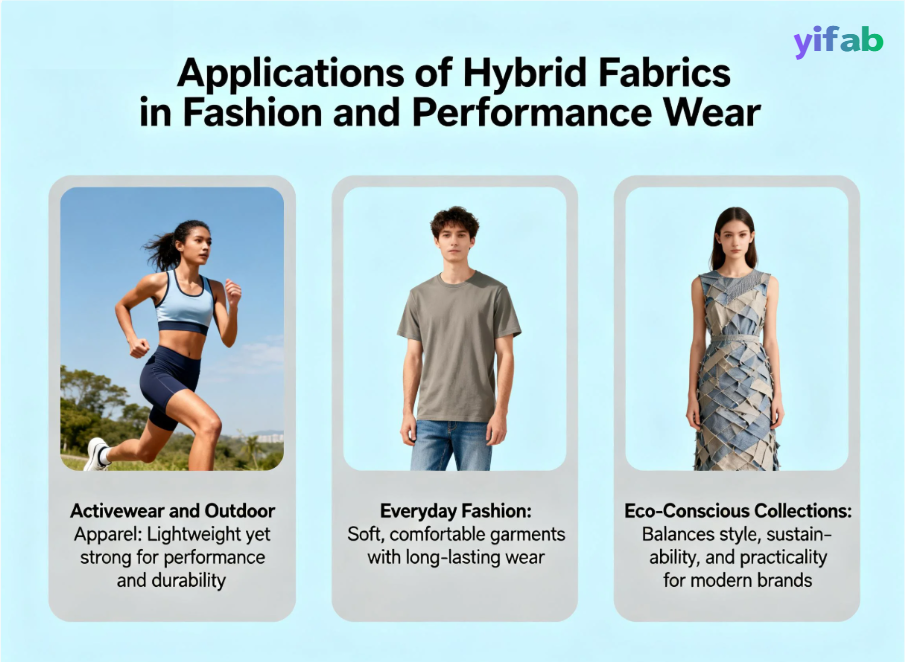
Applications in Fashion and Performance Wear
Hybrid fabrics are versatile:
Activewear and Outdoor Apparel: Lightweight yet strong for performance and durability.
Everyday Fashion: Soft, comfortable garments with long-lasting wear.
Eco-Conscious Collections: Balances style, sustainability, and practicality for modern brands.
Conclusion
By merging natural and synthetic fibers, hybrid fabrics offer an innovative solution for designers seeking durable, sustainable, and versatile textiles. This approach represents the future of fashion, combining technical performance, comfort, and environmental responsibility in every garment.