
Interactive Fashion: How Smart Fabrics Are Changing Consumer Experiences
Explore how smart fabrics are revolutionizing fashion with interactive garments, AI-driven design, and personalized consumer experiences.
4/6/20261 min read
Interactive Fashion: How Smart Fabrics Are Changing Consumer Experiences
Interactive fashion is transforming how we experience clothing. By integrating smart fabrics that respond to temperature, light, or movement, designers create garments that are dynamic, engaging, and highly personalized.
How Smart Fabrics Work
Smart fabrics embed technologies such as thermosensitive dyes, light-reactive coatings, and AI algorithms into textiles. These innovations allow garments to adapt in real time, creating a seamless fusion of fashion and technology.
Applications of Interactive Fashion
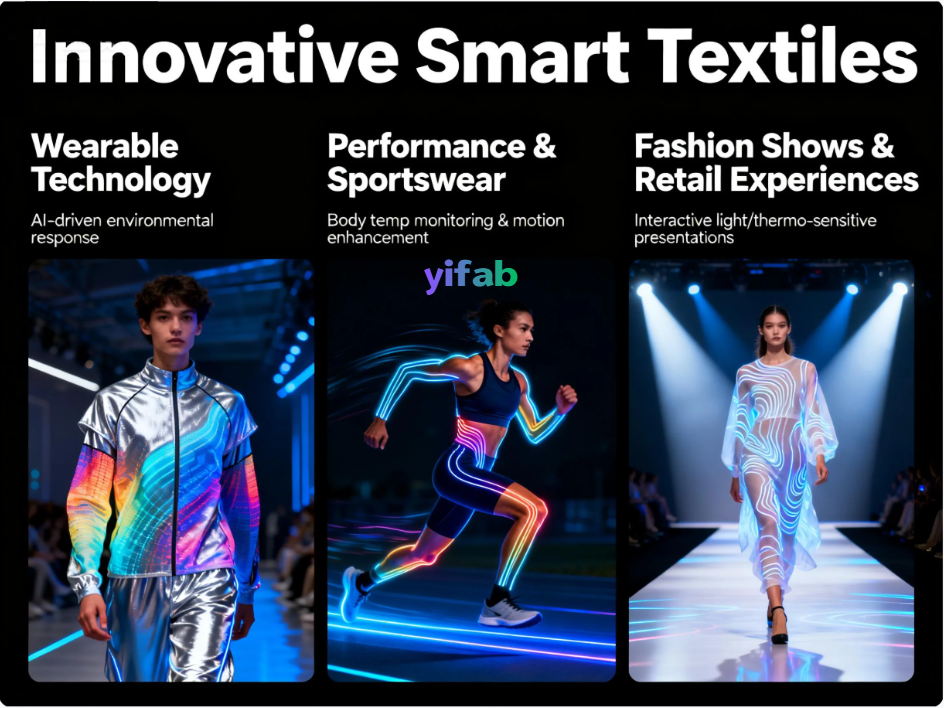
Wearable Technology: AI-driven textiles respond to environmental changes, providing both visual and functional benefits.
Performance and Sportswear: Fabrics monitor body temperature, highlight motion, or enhance visibility for athletes.
Fashion Shows and Retail Experiences: Light-sensitive and thermosensitive fabrics create immersive, interactive presentations, engaging consumers like never before.
Benefits for Consumers
Interactive fashion enhances personalization, sustainability, and usability. AI integration reduces waste by predicting patterns and performance before production, while dynamic textiles provide consumers with a unique, tailored experience.
Conclusion
Smart fabrics and interactive fashion are redefining the relationship between clothing and wearer. By combining technology, sustainability, and creativity, designers can craft garments that are responsive, functional, and memorable, representing the future of consumer-focused fashion.